
 UA
UA EN
EN RU
RU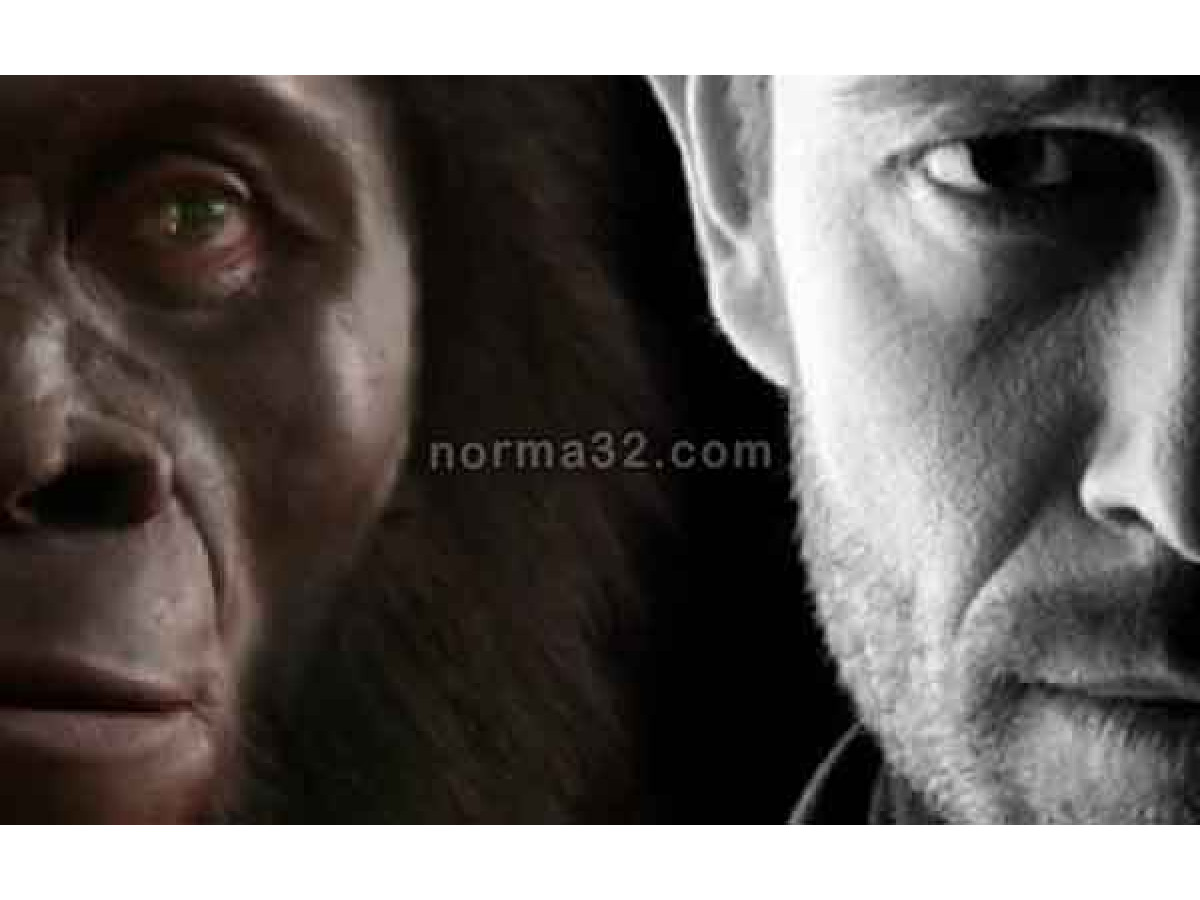
Dental Health and Its Impact on Health
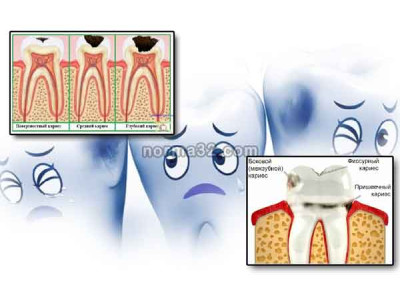
Damaged, discolored or decayed teeth can significantly affect your self-confidence and overall health. If left untreated, these dental problems can lead to more serious complications, including:
- tooth loss;
- nerve damage;
In addition, poor oral health, especially with gum disease, increases the risk of life-threatening diseases such as:
- stroke;
- cardiovascular disease;
- hard-to-control diabetes;
- premature birth.
That is why dentists strongly recommend visiting the doctor at least once a year for a preventive examination.
Evolution of Dentistry
Dentistry has undergone significant changes over the past 30 years. Modern technologies, materials, and approaches have completely changed the methods of providing dental care. The shift from reactive to preventative treatment has been a key shift in the industry. Dentistry today is focused on preventing disease rather than treating it after it occurs. This is especially important given the changes in the human body and the evolution of the oral cavity.
Teeth and Human Evolution
Human teeth have changed not only functionally, but also in appearance. Archaeological studies show that ancient people had teeth that were subject to greater wear. Modern humans have smaller jaws and teeth, and different patterns of tooth wear. Today's softer diets reduce the stress on teeth, whereas our ancestors used their teeth to process tough foods such as meat, nuts, and roots.
Dental Disease: Where Did It Come From?
Dietary evolution has played a major role in the emergence of dental disease. The transition to agriculture and processed foods contributed to an increase in sugar consumption, which led to the spread of tooth decay and gum disease. Modern DNA studies of ancient teeth confirm that changes in diet have significantly affected oral health.
What about wisdom teeth?
Wisdom teeth are another example of evolutionary changes. Most people have a jaw that is too small to accommodate four extra teeth, which causes pain and other problems. The reasons for this are believed to be:
- limited space in the jaw;
- changes in living conditions;
- transition to a softer diet.
Our ancestors needed wisdom teeth to chew hard foods. Modern people use cutlery to make eating easier, so the functional need for these teeth has disappeared.
Conclusion
Evolution has left its mark on the condition of our teeth. Despite this, modern technology and prevention allow us to effectively take care of our oral health. Regular dental visits and dental care will help preserve your smile for years to come. Remember, the smile you see in the mirror is worth it!

Write a comment